
SHOP by Department
Specialist Remover for Drink Stains

Good for carpets, suites and most fabrics
+carriage
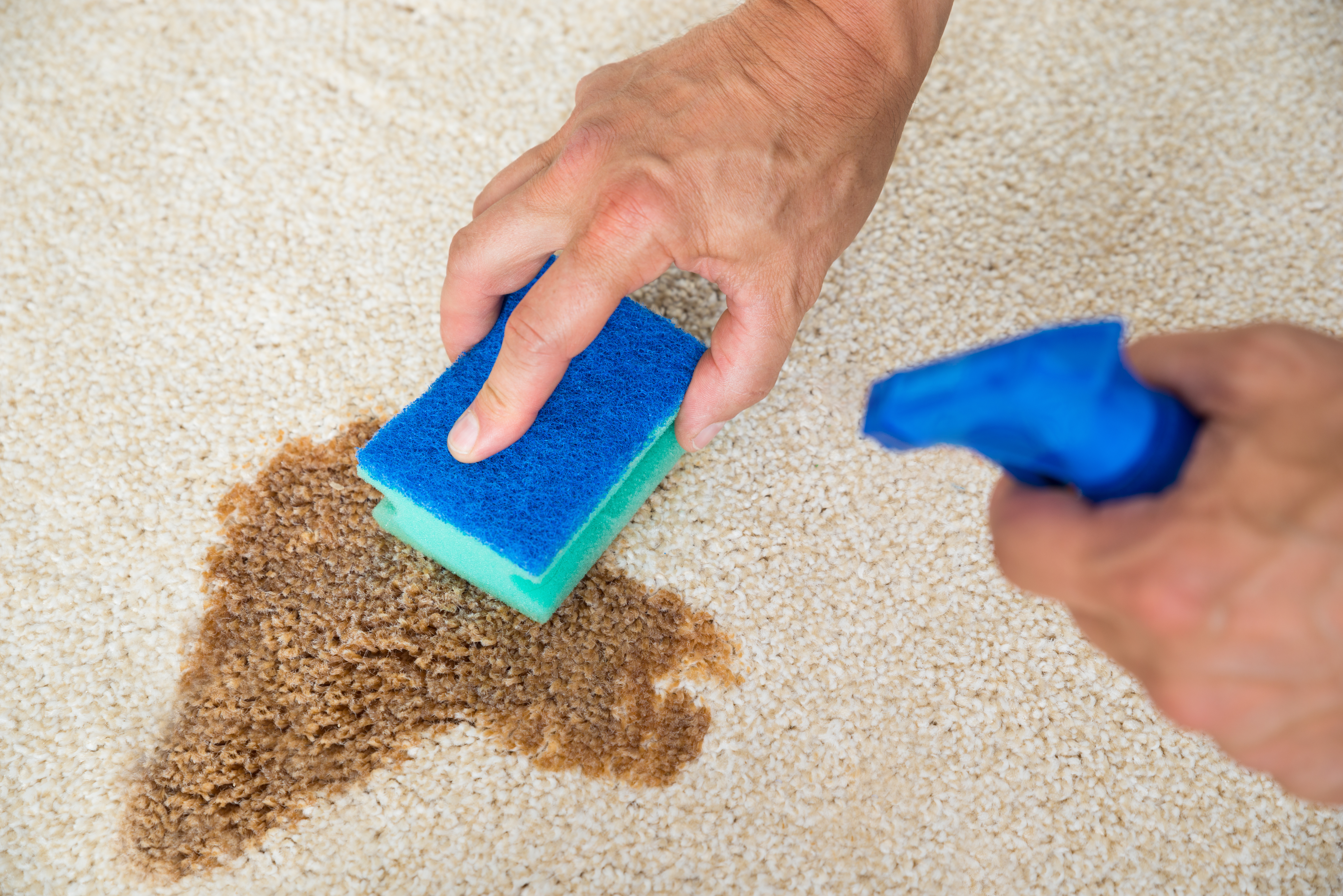
Specially formulated and ready to use acid spotter for tea, coffee, beer, tannin, water marks and other yellow and brown discolouration on carpet and fabric. Clear liquid with a lemon fragrance.
Always pre-test for colour fastness and sensitivity, just as a safety precaution. Spray COFFEE STAIN REMOVER directly onto stain undiluted and blot with a clean white towel. Leave for up to 15 minutes for difficult stains before rinsing. PROCHEM COFFEE STAIN REMOVER may be ineffective against permanent or older stains.
Special Stain Remover for Vivid Coloured Stains

This stain remover can be used on Wine, Fizzy Drinks and other coloured stains
+carriage
Developed exclusively to remove red food colourings, carbonated drinks, fruit juices and wine stains from carpet and fabrics. Effective with wet towel and hot iron method, as directed on the label
The application method varies depending on type of stain and type of fibre but always pre-test carpets or fabric on an inconspicuous area before use.
Apply RED RX directly to stain, or spray onto larger stains diluted at a rate of 1:1. Blot - do not rub - stain with a clean white towel or paper towels, and repeat until no further extraction is evident. For more stubborn stains, use the wet towel and hot iron method to extract treated stain. Place hot iron directly onto wet towel over stain for 10-20 seconds.
DO NOT ALLOW IRON TO COME INTO CONTACT WITH FABRIC OR CARPET.
All purpose professional stain treatment

This stain remover can be used on beer and lager stains + general food spillages.
STAIN PRO is a ready to use, water based solvent spotter which is effective on most food based, acidic and oily stains including blood, vomit, tea, coffee, wine, cream and water based ink. This clear liquid can be used on most carpets and fabrics and leaves a mint fragrance.
Pretest for colour fastness and texture corruption before use. Apply directly to stain with a towel or tissue and blot (do not rub) until there is no further extraction visible.
For Rust - Iron Mould - Old Blood

GOOD For fabrics and hard surfaces. A clear liquid that does not require neutralisation after use.
RUST REMOVER removes rust, iron mould and old blood stains from carpets and fabrics. It is an economical, ready to use, acidic direct spotter.
Pre-test inconspicuous area for colour-fastness before use. Apply undiluted directly to spot, avoiding over-application. Leave for several minutes, agitating with a brush or scraper, then blot and extract thoroughly with clean water. Use a pile brush on carpets after use to realign fibres. Older stains will require longer contact time.
All purpose professional stain treatment
This stain remover can be used on beer and lager stains + general food spillages.
STAIN PRO is a ready to use, water based solvent spotter which is effective on most food based, acidic and oily stains including blood, vomit, tea, coffee, wine, cream and water based ink. This clear liquid can be used on most carpets and fabrics and leaves a mint fragrance.
Pretest for colour fastness and texture corruption before use. Apply directly to stain with a towel or tissue and blot (do not rub) until there is no further extraction visible.
For Rust - Iron Mould - Old Blood
GOOD For fabrics and hard surfaces. A clear liquid that does not require neutralisation after use.
RUST REMOVER removes rust, iron mould and old blood stains from carpets and fabrics. It is an economical, ready to use, acidic direct spotter.
Pre-test inconspicuous area for colour-fastness before use. Apply undiluted directly to spot, avoiding over-application. Leave for several minutes, agitating with a brush or scraper, then blot and extract thoroughly with clean water. Use a pile brush on carpets after use to realign fibres. Older stains will require longer contact time.
Paint - Grease - Tar - Gum

Water Soluble solvent based remover safe on most fabrics
SOLVEX is a ready to use, water rinsable blend of detergents and solvents, designed to remove spots and stains on fabrics, carpets and hard surfaces, leaving an aromatic odour. It is effective for removing oil based and emulsion paint, nail polish, varnish and solvent soluble stains including ink.
Always test on an inconspicuous area before use. Apply SOLVEX directly to stain without over applying. Blot - DO NOT RUB - stains with a clean white towel or if necessary scrape with a blunt knife. For best results rinse area with warm water.
This chamical can be harmful - ALWAYS wear gloves - Avoid contact with skin and eyes - use in a ventilated area.
Grease - Gum - Oil - Tar

Professional solvent stain remover formed in a liquid gel.
CITRUS GEL is a detergent, liquid gel spot remover, which is effective and safe for use on many stains and spots including grease, gum, oils and tar. This fragrant, citrus based gel is ready to use and designed for direct application to the fibre surface, without damaging latex carpet backings.
Shake well before use and always pre-test on an inconspicuous area before use. Blot up excess staining, before applying CITRUS GEL directly to spot, taking care not to over-apply. Leave for 2-5 minutes before scraping or blotting with a white towel or tissue - do not rub. Repeat as necessary, blotting with water if required. Brush with a pile brush to realign fibres.
.jpg)
If you suffer from stinky sports kit then this detergent is a must. Specially formulated to remove sweaty odours
TThis detergent is specifically designed to remove all sweat and odours from athletic clothing while restoring the performance of all techno-fibres. It actually treats the problem and doesn't just mask it, eliminating the
Sports Detergent Odour Eliminator
and is ideal for
It will also work on sweat stained clothing (as long as they are washable).
Removes the ugly smell of urine

Water Soluble solvent based remover safe on most fabrics
URINE NEUTRALISER is a specially formulated, ready to use detergent for deodorising and chemically neutralizing urine deposits in carpets and fabrics, preventing unpleasant odours and permanent staining.
Pretest on an inconspicuous area for colour fastness before use. Spray directly onto affected area, undiluted or diluted at a rate of 1:1 depending on level of contamination. Blot with a sponge, mop or towel and allow to dry. Heavily affected areas should be extraction cleaned after pre treatment with PROCHEM URINE NEUTRALISER.
.jpg)
If you suffer from stinky sports kit then this detergent is a must. Specially formulated to remove sweaty odours
This Stink Free spray is ideal for any sportsman with smelly trainers or sports gear. Simply spray the liquid in the trainers or over the sports gear, especially where the odours eminate from - and the liquid gets to work.
Slowly but surely the odours will discipate and be eliminated over time. You may need more than 1 treatment, but it will work - 2Toms even guarantee it.
If you're not totally happy they will refund your purchase price, just by sending the original packet with all unused solution back to 2Toms head office..
Office:
Pool House
34 Ivinghoe Road
WD23 4SW
 Phone: 020 8421 8866 Phone: 020 8421 8866
|
|||
 email email |
 |
 |
 |